Functional training is probably the most talked-about type of training in health and fitness today. Most personal trainers offer functional training alongside many other types of training. So what exactly is functional training? What does training have to meet to earn the label functional? We’ll try to answer these questions further down in the article.
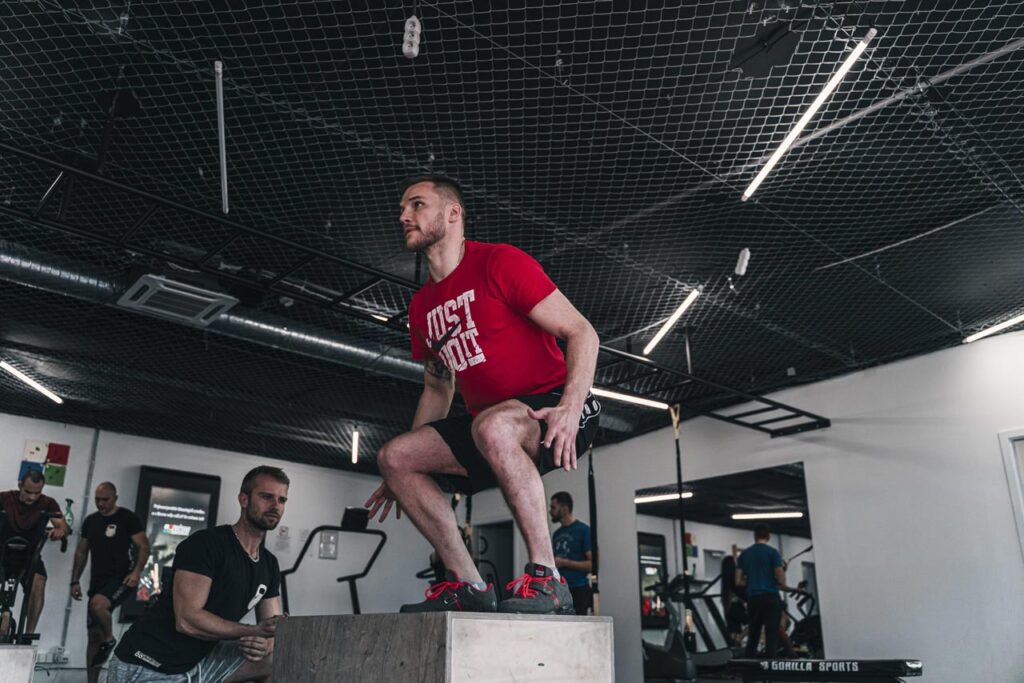
The latest trend in the fitness industry is moving away from isolated exercises on machines and trying to include complex, multi-joint exercises in training programmes, performed mostly standing up. Many trainers consider this to be functionality. They are not far from the truth, but unfortunately it’s a little more complicated.
The function of the individual joints in our body is often diametrically different. While one requires sufficient mobility, another requires adequate stability. Today’s sedentary lifestyle, however, considerably limits these functions. Functional training should therefore take all of this into account and aim, first and foremost, to support the function of individual joints in isolation, thereby creating the conditions for mastering the subsequent complex, multi-joint exercises. The most important segments of our body that require an isolated approach include, for example, the shoulder girdle, the lumbar spine and the hip joint. In general, the shoulder requires good joint mobility combined with sufficient stability of the shoulder blade. The lumbar spine, on the other hand, requires very good stability; otherwise, lower back pain is a frequent companion of insufficient stability of the lumbar spine. No less important are the muscles of the hip joint, which support the correct function of the knee, ankle and foot.
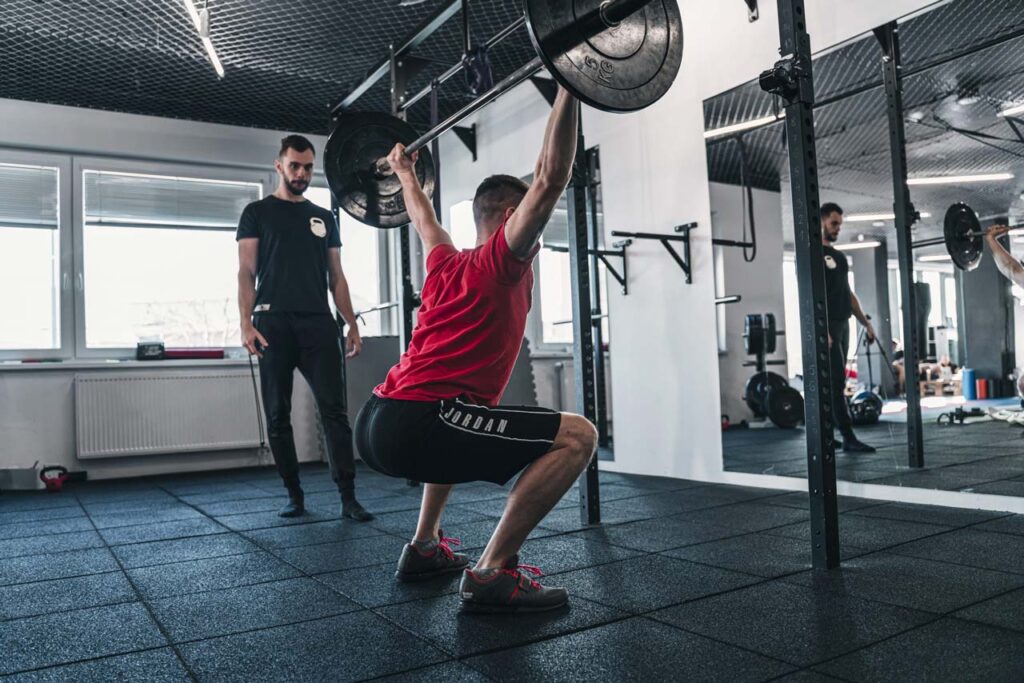
Functional training, then, isn’t just squats, deadlifts, pull-ups and push-ups. While one exercise may be functional for one person, for another it can be devastating. Functional training is therefore a sophisticated selection of exercises that ensures we perform even complex, multi-joint exercises with correct technique, without unnecessarily overloading the joints that are under the most stress in them, and without causing ourselves pain; in other words, that we support the musculoskeletal system in its function. Functional training can also be called intelligent strength training, which requires the trainer to have in-depth knowledge of the anatomy of the whole movement system. Functional training should support our body in the function it was created for… and that is pain-free movement.
We hope we have explained the term Functional training clearly enough, but to broaden the range of your information about it, in the next article we’ll describe the benefits of functional training compared with exercising on weight machines 😉
Try it in practice: functional training with a personal trainer or group functional training.