

Diagnostika

Comprehensive diagnostics

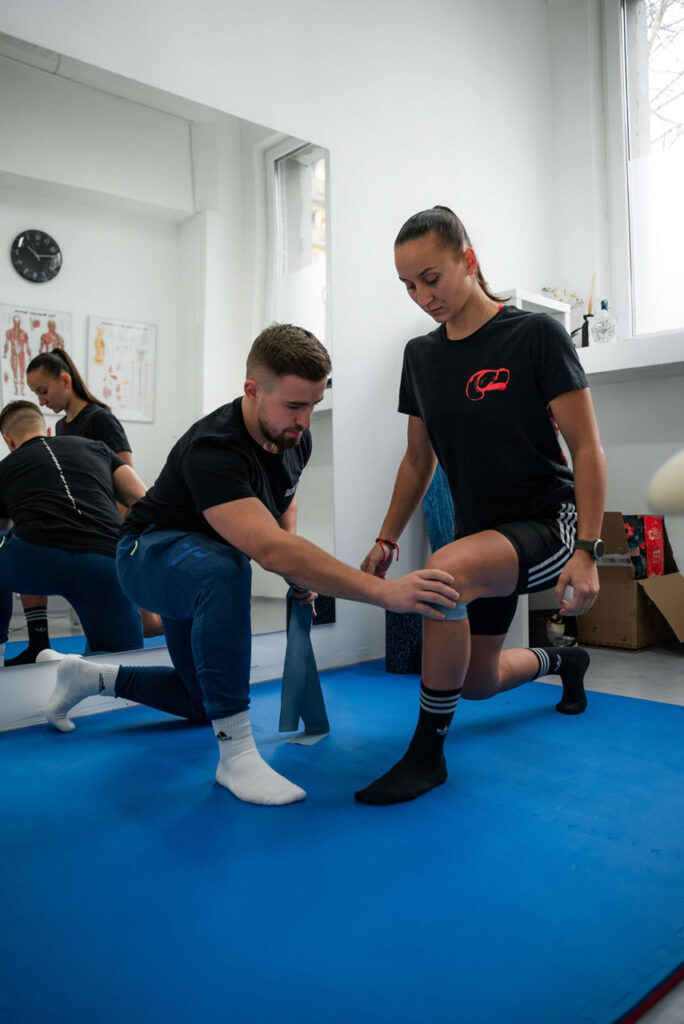
Extended testing of mobility, strength, stability and balance. For athletes, returning after an injury and precise progress tracking.

90 min

individual

€99

Exercise with a trainer at Cvičisko

Comprehensive diagnostics

What you'll gain

  • Precise numbers Detailed tests of mobility, strength and stability.
  • Left vs. right A comparison of both sides that reveals differences.
  • Sports readiness Tests for performance and for returning after an injury.
  • Tracking changes A starting point for further measurements.

90 min

How it works

  1. 15 minConsultation Your goal, sport, injuries and what we want to find out.
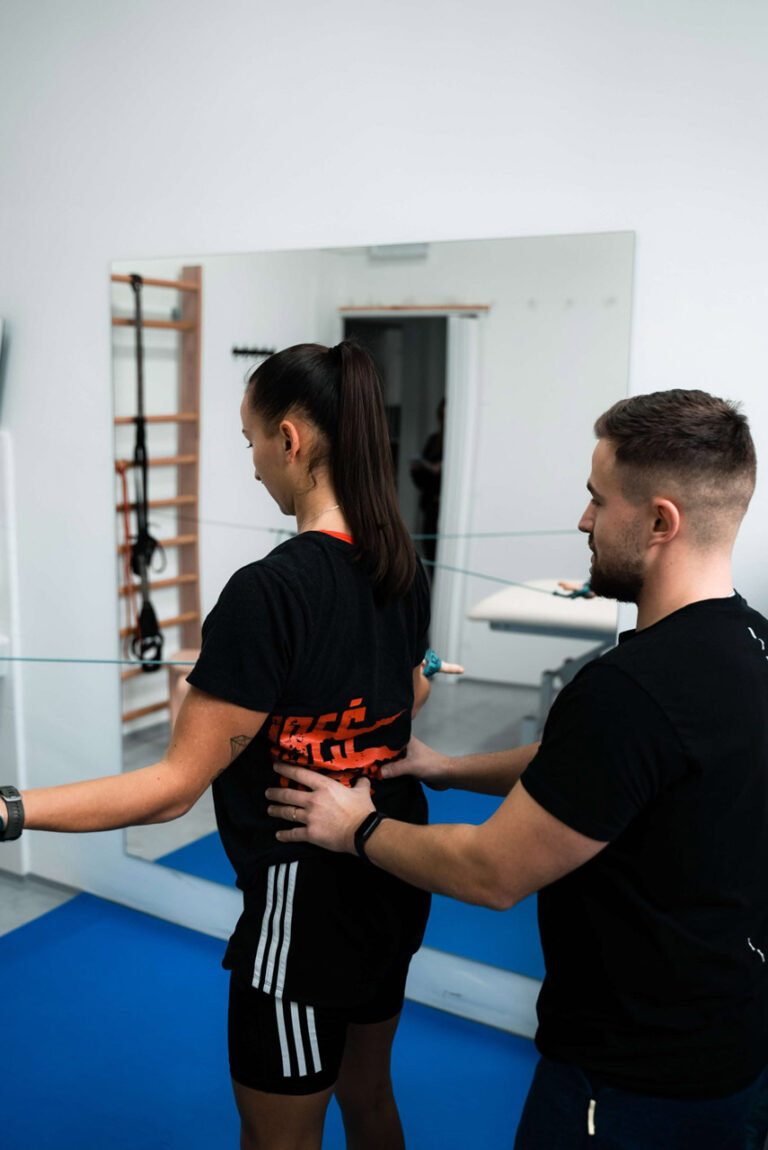
  2. 45 minExtended tests Mobility, strength tests, stability and balance.
  3. 15 minComparing sides Differences between the right and left side, and movement patterns.
  4. 15 minEvaluation and plan Results, recommendations and setting up training or rehabilitation.

Who will guide you

Mgr. Andrej Seidl

Osobný tréner

Ružinov

Alexander Antol, personal trainer

Alexander Antol

Osobný tréner

Kramáre

Jozef Bortňák, personal trainer

Mgr. Jozef Bortňák

Osobný tréner

Kramáre

Book a session

Comprehensive diagnostics is an extended form of movement assessment that builds on basic diagnostics and includes more detailed testing of how your musculoskeletal system functions.

Who it is suitable for

It’s especially suitable for clients whose current movement abilities, strength, mobility, stability, coordination or differences between the two sides of the body we want to assess more precisely.

What comprehensive diagnostics includes

Depending on the goal, comprehensive diagnostics can include, for example:

  • more detailed mobility testing,
  • strength tests,
  • stability and balance testing,
  • evaluation of basic movement patterns,
  • comparison of the right and left side,
  • tests related to athletic performance or returning after an injury.

What we do with the results

The results then serve as the basis for setting up the training or rehabilitation process more precisely, and they also make it possible to track changes over time.

The goal of diagnostics isn’t to find “mistakes” at all costs, but to get as much useful information as possible about what a person can currently do and what is worth working on next.
What the science says

Testing movement and strength abilities can be a useful tool for planning training and tracking progress. However, individual tests need to be interpreted in context and not as a standalone prediction of future injuries or performance.

Diagnostics matters most when we actually use its results in further decisions, that is, when choosing exercises, setting the load and tracking progress.

Zdroje

Frequently asked questions

Anything still unclear? Write to info@cvicisko.sk or give us a call.

Comprehensive diagnostics includes more tests and a more detailed evaluation of movement and strength abilities.
For people who want a more detailed picture of their movement condition, for athletes, or for clients returning after an injury.
Yes. The results serve as the basis for further training or rehabilitation and can also be used to compare progress over time.
Not reliably. The risk of injury is influenced by many factors, so we always interpret test results in a broader context.

A weak body commands, a strong body obeys

Your first appointment starts with a short chat so we know what we're working with. After that, you just show up.